
Eco Building & Passive House Leads for UK SIPs, Timber Frame & Pod Companies
BuildAlert helps SIPs, timber frame and pod building companies find leads wherever your construction method is specified - not just in one sector. Schools and nurseries commissioning eco classrooms, holiday parks planning glamping pods and lodges, health and community organisations building rehabilitation or hub spaces, and homeowners planning a self-build or garden pod all show up in the same planning data, because it's the construction method that unites your market, not the building type.
Search by postcode, town, local authority or a custom area you draw yourself, then use free-text keyword search to find exactly the work you do - search for “SIPs,” “timber frame,” “passive house” or “eco classroom,” and combine keywords or exclude irrelevant results (searching “pod” while excluding “roof pod,” for example) to cut out noise that a broad term alone would pull in. Filter further by domestic or commercial, estimated project value and planning status, and send personalised letters or postcards directly through the platform.
There are no subscriptions and no shared leads. Searching planning applications is free, and you only pay when you decide to send a letter or postcard - we handle the printing, branding and first-class postage for you.
Ready to generate more eco building leads? Create a free BuildAlert account and start browsing live planning applications today.
Why Planning Applications Beat Traditional Eco Building Lead Generation
Most SIPs, timber frame and pod companies have already tried Google Ads, trade shows, referral networks or shared lead generation services - and run into the same problems: expensive keywords, seasonal demand spikes, and enquiries sold to several suppliers at once.
None of these tell you which school, holiday park, health charity or homeowner is actually specifying your construction method right now. Planning applications do: extensions, new builds and change-of-use schemes across every sector need a planning application or certificate of lawfulness before work starts, and BuildAlert monitors these from every UK council, flagging the ones that reference SIPs, timber frame, modular or eco specification as soon as they're published.
That means you're reaching the applicant while they're still finalising the brief and comparing suppliers, not after they've already appointed a main contractor or committed to a shared enquiry.
You decide which planning applications to act on and search by postcode, sector and project type yourself - there's no bidding for enquiries and no data shared with other companies.
Beyond Residential: Education, Leisure and Commercial Eco Buildings
Most trade pages on this site are residential-first. This one genuinely isn't - SIPs, timber frame and pod construction methods show up across sectors that rarely appear anywhere else in BuildAlert's planning data.
Schools, nurseries and colleges regularly submit planning applications for eco classrooms and modular teaching space - new-build classrooms or extensions specified in timber frame or SIPs construction for speed and energy performance. Holiday parks and glampsites plan lodges and pods as part of tourism and leisure developments. Health, community and charity organisations - including rehabilitation centres, community hubs and, in some cases, churches and places of worship - commission timber frame or modular buildings for the same reasons: speed, cost and energy performance.
It's worth being honest about what a cold letter can achieve here: the applicant on an education or public-sector application is often a school, an academy trust, a local authority or a charity, not an individual homeowner. That changes what you're realistically doing - introducing your business and credentials to a procurement-minded organisation, rather than persuading a homeowner who's comparing suppliers on personal preference. Both are worth pursuing, but they're different conversations.
BuildAlert surfaces both kinds of application in the same search, so you can decide for yourself which sectors are worth your time rather than only ever seeing the residential slice of your market.
Passive House and Net Zero: What This Means for Targeting
Passivhaus and net-zero specification isn't just marketing language - on larger applications it's often stated directly in the energy statement or design and access statement submitted alongside the application, which makes it a genuinely searchable signal rather than something you have to infer.
This matters because “eco” and “passive” are vague on their own - plenty of applications use the word loosely without it meaning anything specific. Filtering for the actual specification (Passivhaus, net zero, low energy dwelling, carbon neutral) alongside your construction method keyword narrows results to applications where energy performance is a genuine design driver, not just a marketing description of a standard build.
Passivhaus and net-zero projects also tend to specify a construction method early and stick to it, since the fabric performance is engineered into the design from the outset - which makes them some of the more reliable applications to target if your business builds specifically to these standards.
SIPs, Timber Frame or Pod: Matching the Method to the Project
SIPs, timber frame and pod aren't interchangeable terms for the same thing, and treating them as synonyms means missing the projects that actually fit your business.
Pods suit compact, self-contained buildings - garden offices, glamping pods, holiday lodges and small classroom or office extensions - where speed of installation and a fixed footprint matter more than scale. Timber frame is the standard method for full self-builds and larger new-build homes, where the frame goes up quickly but the rest of the build still follows a conventional programme. SIPs (structural insulated panels) cut across both: used in everything from garden pods to full self-build homes, chosen specifically for its combination of speed and thermal performance.
Filtering by construction method as well as project type and sector means you can focus on exactly the scale of project your business is set up to deliver, rather than treating every mention of “eco” or “modular” as an equally good lead.
Targeting Higher-Value and Larger-Scale Projects
Project value varies enormously across this market - a single garden pod and a new-build eco classroom or a multi-unit glamping development are entirely different scales of job. School builds, holiday-let developments and self-builds are consistently higher-value and longer-lead-time than a single residential pod.
Holiday-let and glamping developments in particular are worth prioritising for volume: a single planning application often covers multiple lodges or pods on one site, meaning one successful approach can lead to an entire site's worth of units rather than a single unit.
Filtering by project scale, sector and postcode lets you focus on the higher-value builds in the markets you actually want to grow in, rather than treating every application as an equally good prospect.
This is also how eco building companies build a pipeline that isn't purely residential and purely seasonal - a mix of self-builds, school contracts and leisure developments gives you work across different budget cycles and times of year.
Two Audiences, Two Different Letters
For homeowners planning a self-build or garden pod, the same principles that work elsewhere on this site apply: personalise the letter, show a strong photo of a finished build if you can, and make contact while they're still comparing suppliers rather than after they've committed to a main contractor.
Schools, local authorities, trusts and charities respond to something different. A letter to an institutional applicant works better when it leads with credentials and track record - relevant accreditations, case studies of similar buildings you've delivered, and a clear route to a formal quotation or tender response - rather than the warmth and urgency that works on an individual homeowner. These applicants are usually working through a procurement process, not making a personal purchase decision.
Realistically, an institutional letter is more likely to open a conversation or get you onto a shortlist than convert immediately - that's a different, longer sales cycle than a homeowner letter, and worth planning for rather than expecting the same response rate.
BuildAlert handles the printing, your branding and first-class postage for every letter or postcard you send, using the applicant's name and address exactly as they appear on the application.
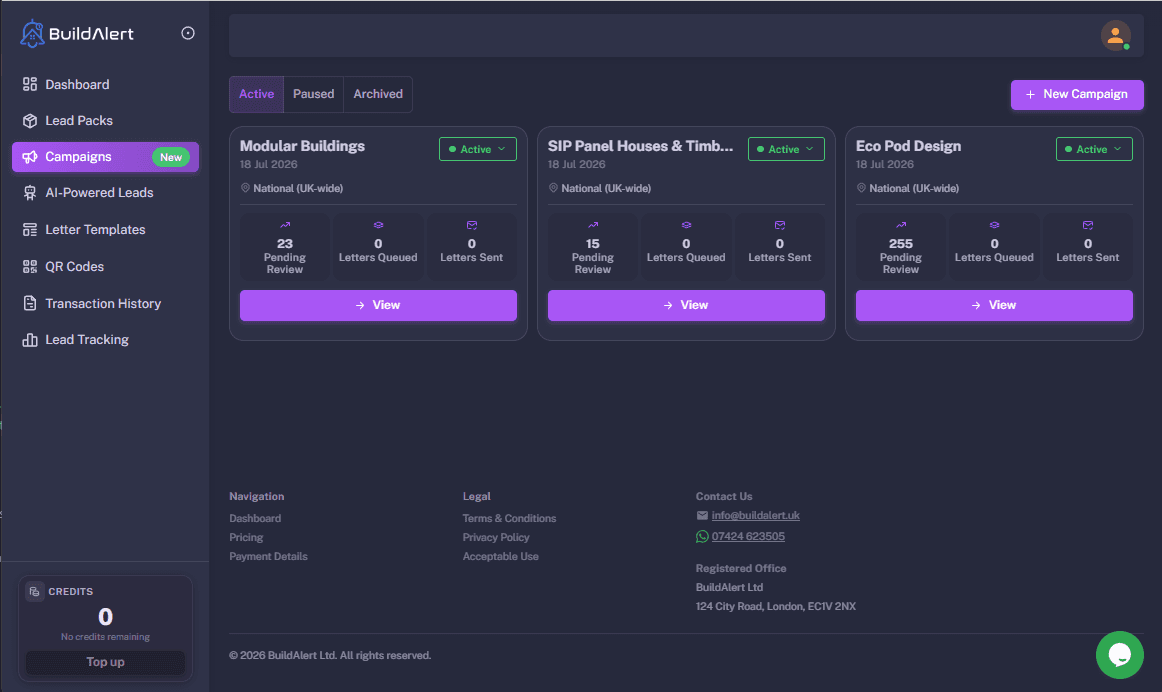
Example: BuildAlert highlighting eco building planning applications by postcode, sector and construction method
Eco Building Projects We Help You Win
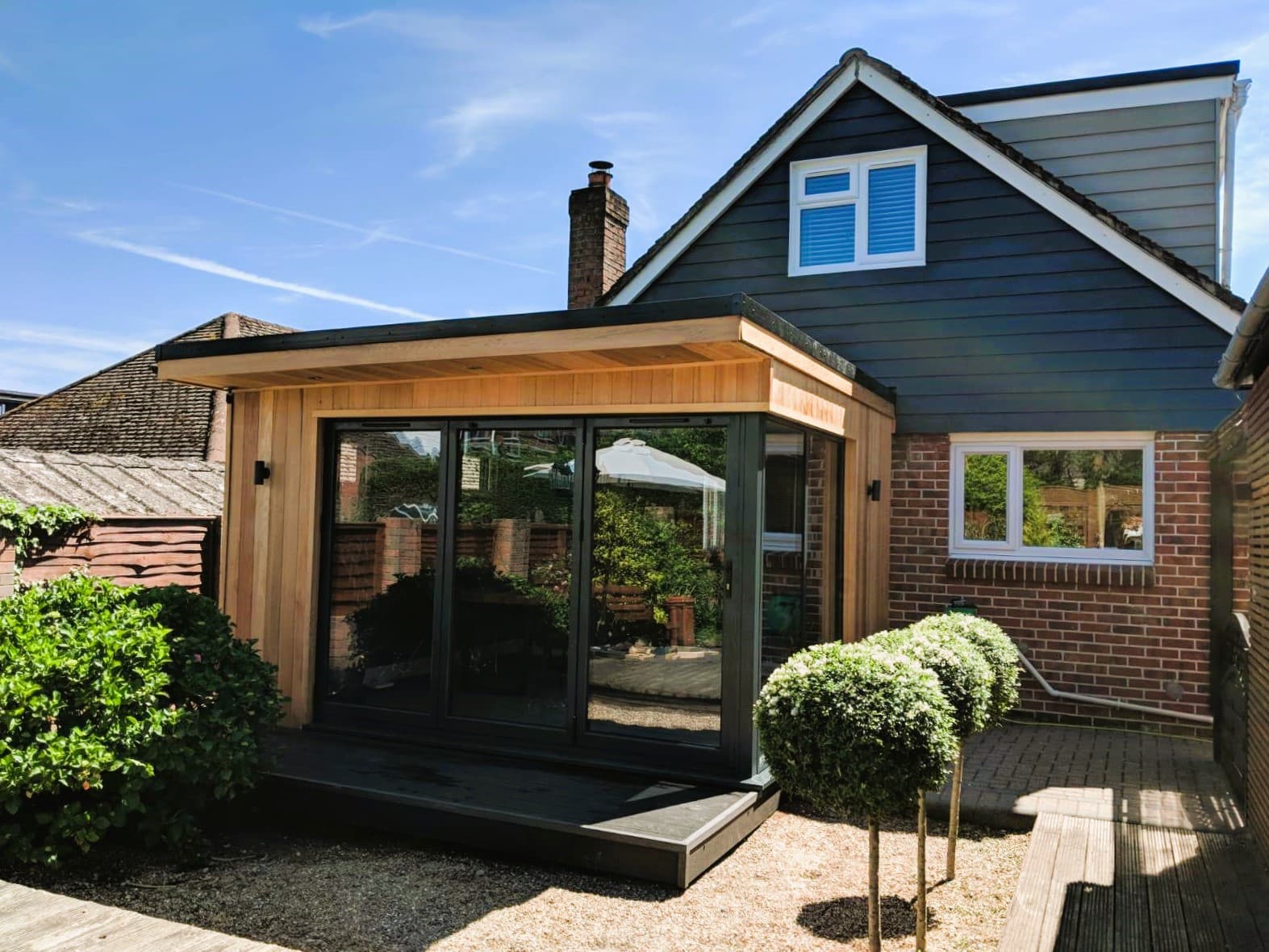
Residential Self-Builds & Extensions
Self-build homes and larger extensions specified in timber frame or SIPs are some of the most consistent sources of work in this market, combining a fast-erecting frame with the thermal performance homeowners increasingly ask for.
These planning applications are usually full new-build or householder applications, giving BuildAlert visibility of the project from submission - well before the homeowner has appointed a main contractor or committed to a specific method.
Garden pods and annexes specified in SIPs or timber frame construction sit alongside full self-builds in this category, and often move faster from planning to build than a bespoke garden room.
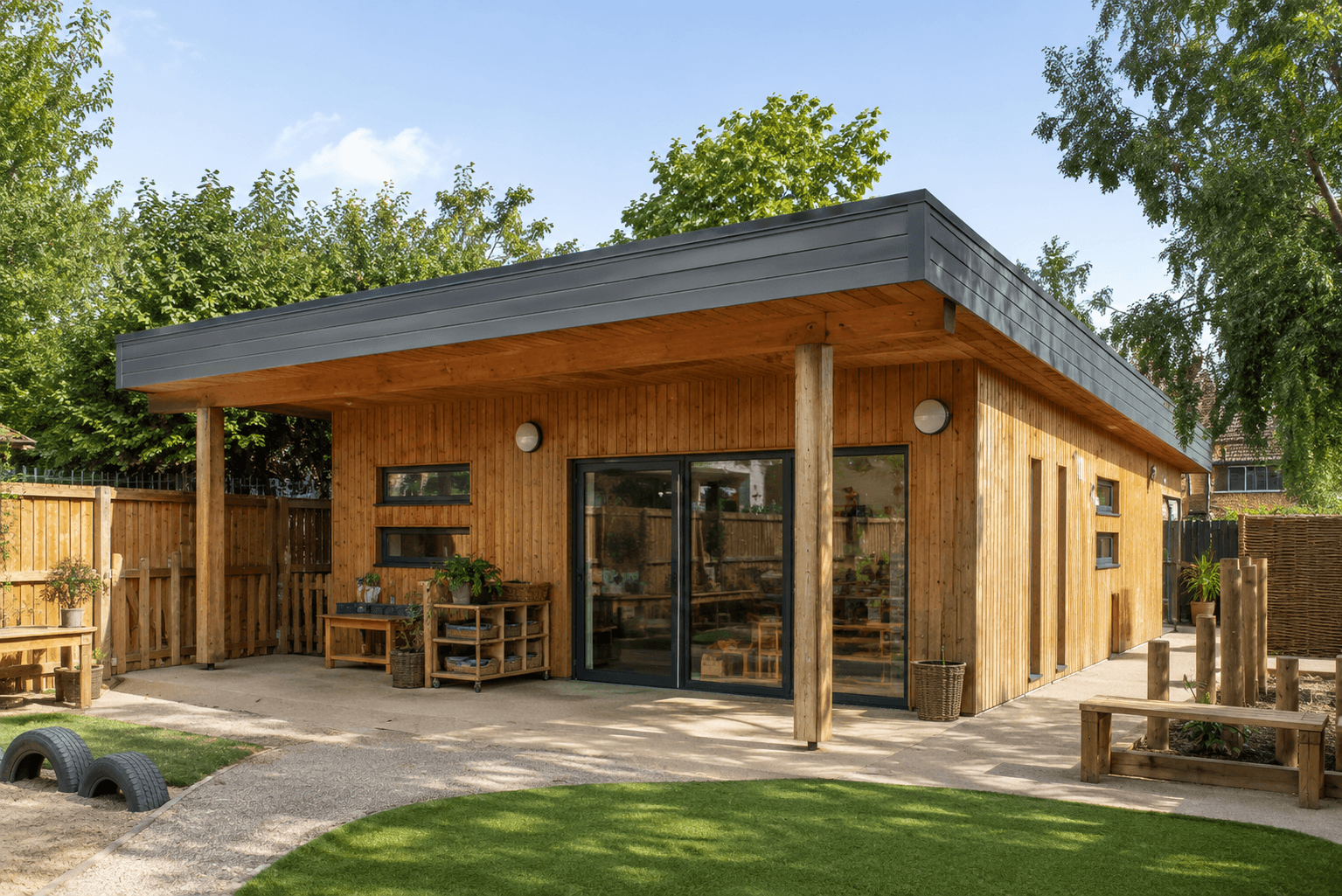
Eco Classrooms & School Buildings
Schools, nurseries and colleges regularly commission new-build classrooms or extensions in timber frame or SIPs construction, valued for the speed of installation and lower disruption to term-time operations.
These applications are usually submitted by the school, an academy trust or the local authority rather than an individual homeowner, and often reference the construction method directly in the supporting design statement.
This is a genuinely underused niche for planning-based outreach - most lead generation in education building runs on tender lists and framework agreements, so a direct approach at planning stage can put you ahead of the formal procurement process.
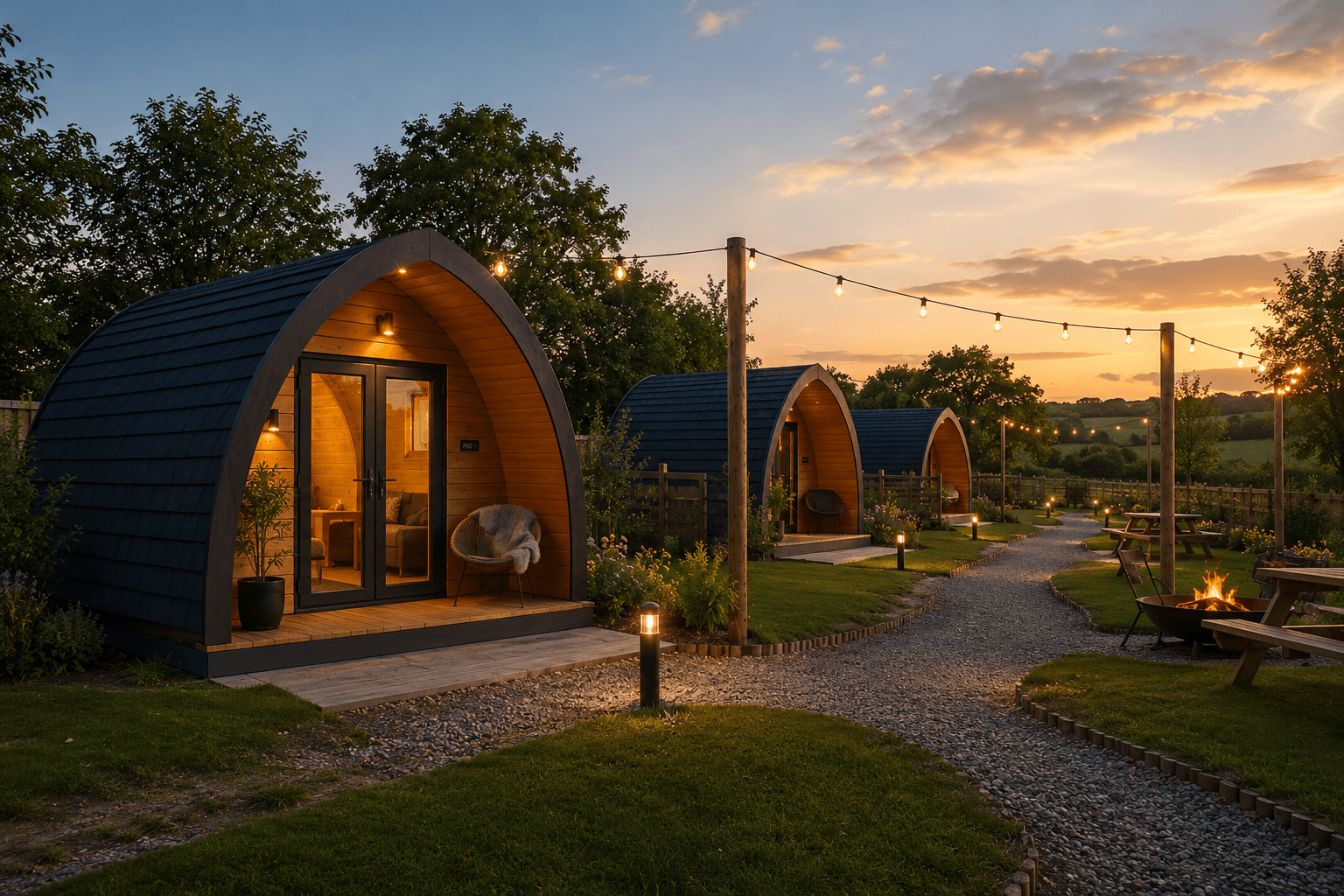
Glamping Pods & Holiday Let Developments
Holiday parks, glampsites and individual landowners frequently submit planning applications for pods and lodges as part of tourism and leisure developments, often covering multiple units on a single site.
These applications tend to specify the construction method clearly, since speed of installation and consistency across multiple units matter more here than on a one-off residential build.
A single successful approach on a multi-unit site can lead to considerably more work than one project, making this one of the more efficient sectors to target by volume.
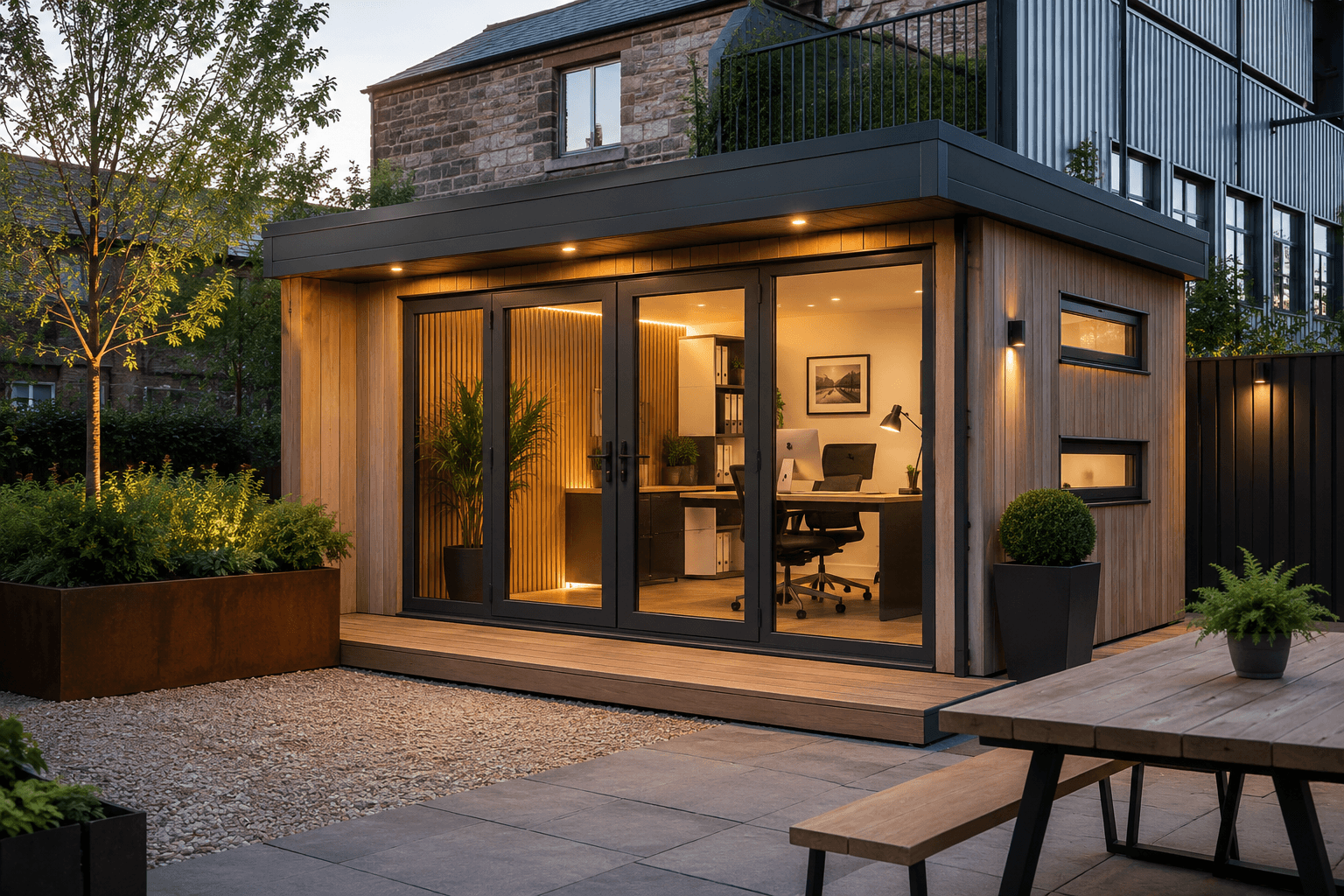
Commercial & Office Pods
Small commercial refurbishments, office expansions and change-of-use projects increasingly specify pod or modular buildings as a faster, lower-disruption alternative to a conventional extension.
These applications are easy to track separately from residential and education projects, giving you a distinct pipeline of commercial work alongside your core market.
Office pods in particular are often commissioned by businesses wanting extra space without relocating or extending their existing premises, making them a useful category for companies who also serve commercial clients.
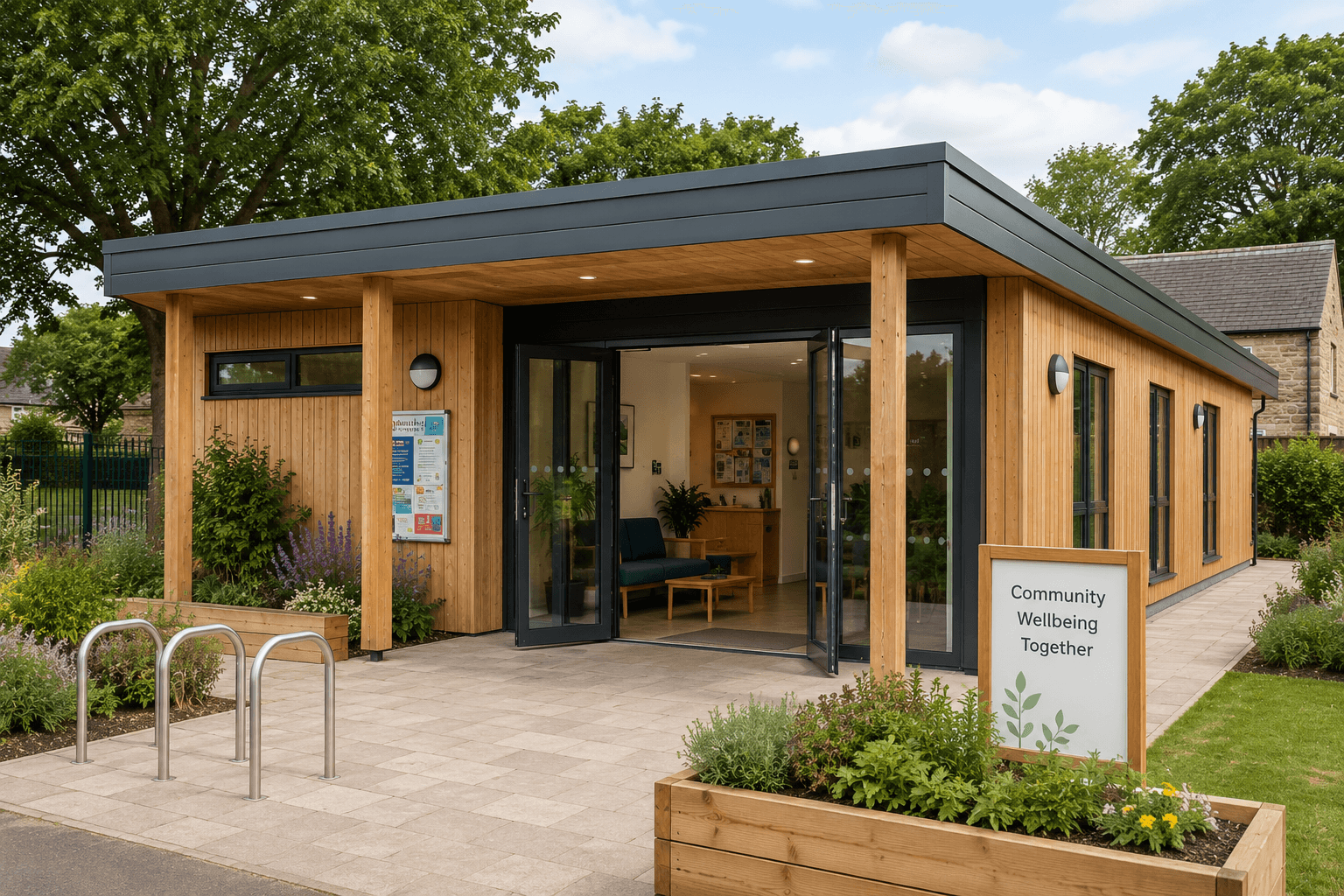
Health, Community & Charity Buildings
Health, community and charity organisations - including rehabilitation centres, community hubs and, in some cases, churches and places of worship - commission timber frame or modular buildings for the same reasons schools do: speed, cost control and energy performance.
As with education applications, the applicant here is usually an organisation or trust rather than an individual, so a letter needs to speak to procurement and credentials rather than a homeowner's personal preference.
This is a smaller but genuinely distinct niche, and one that rarely appears in general construction lead generation because it does not fit neatly into either residential or mainstream commercial categories.
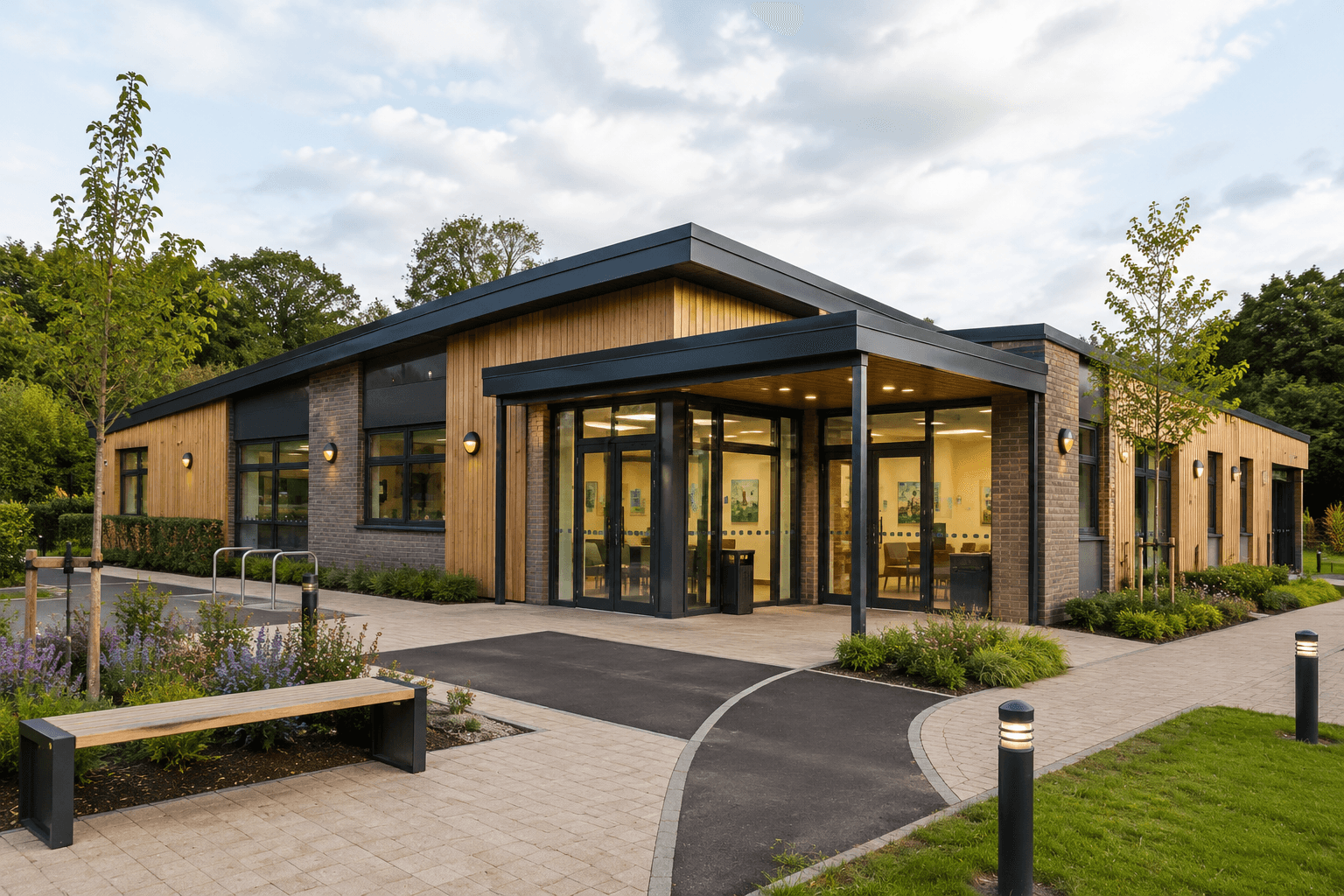
Passive House & Net Zero Builds
Passivhaus and net-zero specification cuts across every sector on this page - self-builds, school buildings, holiday lodges and commercial pods can all be built to the same fabric-first standard.
Because the energy performance is engineered into the design from the outset, these applications usually state the specification directly in an energy statement or design and access statement, making them identifiable at the planning stage rather than something you only discover once the job starts.
Given how central this positioning is to most eco building businesses, it's worth searching for these applications as their own category rather than assuming they'll surface naturally within residential or commercial searches.
Search Thousands of Eco Building Planning Applications
Whether you specialise in SIPs, timber frame or pod construction, BuildAlert helps you find exactly the projects you want, across every sector you serve. Built-in filters and custom keyword searches make it easy to discover relevant planning applications across the UK.
Looking for something more specific? You're not limited to predefined project types. Use custom keyword searches to find agricultural buildings, forest schools, sports pavilions and thousands of other eco and modular construction projects.
Useful Search Terms for Eco Building Leads
Because planning applications describe the building work rather than the marketing language a supplier uses, the fastest way to find eco building leads is to search for the underlying construction method, specification or sector. These terms consistently surface relevant work.
Combine any of these with your postcode and radius, or stack several together, to build a search that matches exactly the sector, scale and construction method you want to win.
Every Eco Building Lead Includes Detailed Project Information
Unlike shared eco building leads, every opportunity is backed by a live planning application, giving you the information you need to qualify a project before making contact. Depending on the application, you'll have access to:
- Applicant, homeowner or agent details
- Property or site address and project location
- Planning drawings, energy statements and supporting documents
- Project description and proposed works
- Planning status and local authority reference
- UPRN and EPC information where available
Browse Eco Building Leads by Location
Looking for eco building leads in your local area? Browse our dedicated regional pages to find self-build, eco classroom and glamping pod planning applications near you.
Learn More About Generating Eco Building Leads
Whether you're looking to improve your direct mail campaigns, target higher-value eco building projects or build a predictable pipeline of work from planning applications, these guides will help you get more from BuildAlert.
How to Write Introduction Letters That Win More Eco Building Work
Learn how to write professional letters that convert planning applications into real enquiries, including branding and trust signals.
Read GuideHow to Filter Planning Applications by Project Value to Find Higher-Value Eco Building Projects
Use project value filters and planning data to target self-builds, school buildings and holiday-let developments worth prioritising.
Read GuideHow to Use Tags and Filters to Find the Eco Building Jobs You Actually Want
Learn how to filter planning applications by sector, construction method, postcode and radius to land the work that suits your business.
Read GuideFrequently Asked Questions
Ready to Find Eco Building Leads Near You?
BuildAlert helps SIPs, timber frame and pod building companies across the UK find eco building leads from real planning applications, covering everything from self-builds and garden pods to eco classrooms, glamping developments and passive house projects. You may also want to see how BuildAlert works for builders and construction firms, garden room companies, structural engineers or tradespeople, browse construction leads nationwide, or check our full pricing details.